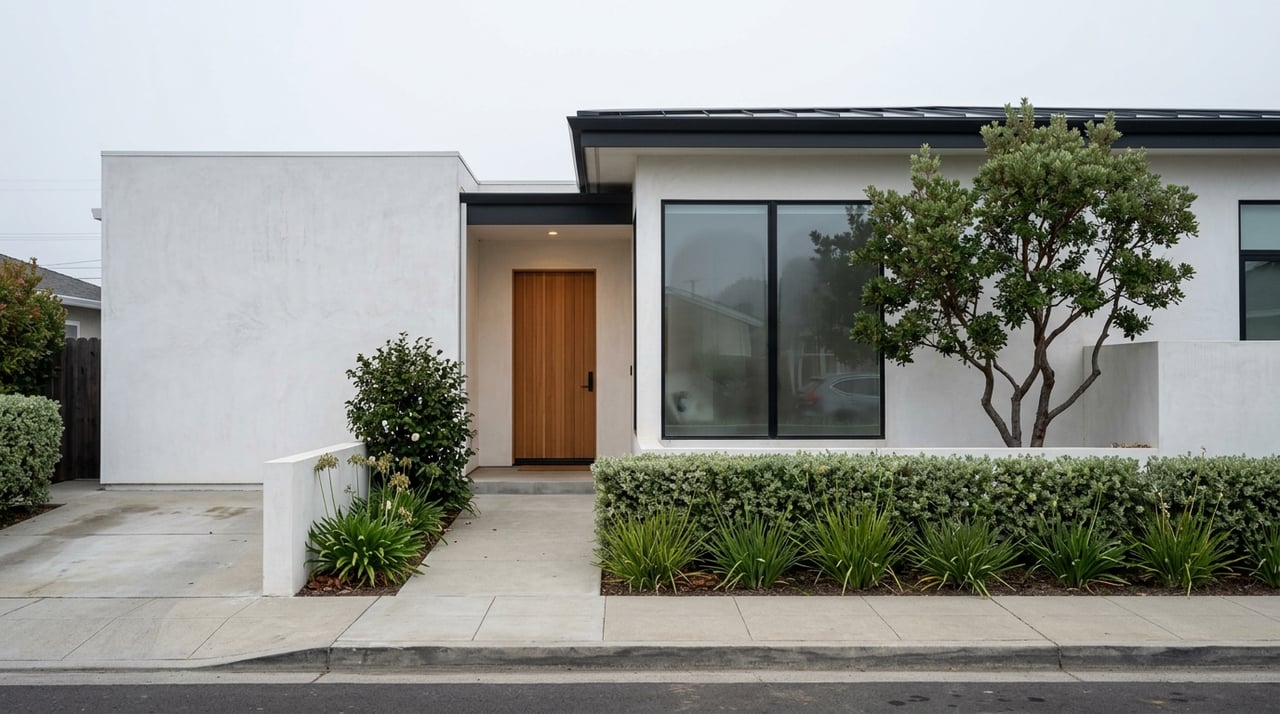
Wondering what it’s actually like to live in Daly City day to day? If you are considering a move here, you probably want more than a map and a home search. You want to know how errands feel, what the weather is really like, how people get around, and what kind of housing you will find. This guide walks you through the practical side of everyday life in Daly City so you can picture how it might fit your routine. Let’s dive in.
Daly City at a glance
Daly City sits at the northern edge of San Mateo County and borders San Francisco. It stretches from the Pacific Ocean on the west side to areas closer to San Francisco Bay on the east side.
The city calls itself the Gateway to the Peninsula, and that description fits daily life well. Living here often means you are connected to San Francisco, the Peninsula, and even the coast, rather than centered around just one local downtown.
Housing feels established and varied
Daly City has a strong single-family home presence, but it is not only a single-family market. According to the city’s housing element, Daly City had 31,796 homes in 2019, with 47% single-family detached, 15% single-family attached, 25% in buildings with five or more units, 12% in two- to four-unit buildings, and 2% mobile homes.
That mix gives you a range of housing types depending on your budget, lifestyle, and commute priorities. You will find many established residential areas along with denser housing near transit and mixed-use corridors.
Homeownership also remains a major part of the local housing picture. The city reports that 58% of households owned their homes and 42% rented, while the 2022 vacancy rate was 3.6%, which the city describes as a tight market.
For buyers, that tight market can mean preparing carefully and understanding what matters most in your search. For sellers, it reinforces the value of smart pricing and clear presentation in a market where demand and inventory conditions matter a lot.
Westlake shapes the local feel
A big part of Daly City’s housing identity comes from its postwar growth. The city notes that Henry Doelger built Westlake after World War II, and much of the coastal zone includes single-family detached homes built in the 1950s and 1960s.
In practical terms, many parts of Daly City have an established mid-century suburban feel. If you like neighborhoods with a long-standing residential character, that is a meaningful part of Daly City’s appeal.
For buyers looking at older homes, this is also where renovation insight can matter. Mid-century properties may offer charm and function, but they can also come with opportunities to update layout, systems, or finishes over time.
Errands are easy, but not centered on one downtown
Daly City does not revolve around one classic central downtown for everyday shopping and services. Instead, daily errands tend to spread across several major commercial areas.
The city identifies Mission Street, Serramonte Center, and Westlake Shopping Center as key regional shopping areas. It also highlights Pacific Plaza near Daly City BART as an important mixed-use area.
That means your routine may depend on which side of Daly City you live on and how you like to get around. Some residents do larger shopping runs at major retail centers, while others rely on neighborhood-serving businesses and transit-adjacent areas for day-to-day needs.
Neighborhood services feel local
Even with larger shopping hubs, Daly City still offers a neighborhood-based rhythm. The city library system includes branches in Serramonte, John Daly, Westlake, and Bayshore.
Recreation Services also offers programming throughout the city. Together, those local resources help everyday life feel more connected to where you live, even if retail and dining are spread across different corridors.
Outdoor life is a real part of Daly City living
One of Daly City’s strongest lifestyle advantages is access to parks, open space, and the coastline. The city says it maintains 23 parks, 5 open spaces, and 36 playgrounds.
That level of park access adds flexibility to everyday routines. Whether you want a quick walk, a place to spend time outside, or a playground stop during the week, there are multiple options woven into city life.
San Bruno Mountain adds trail access
San Bruno Mountain State & County Park is one of the area’s major outdoor assets. County trail information shows that Old Guadalupe Trail and Ridge Trail connect through the mountain park with links back toward Daly City.
For residents who enjoy hiking, views, and open-space access close to home, that is a meaningful benefit. It adds a different outdoor dimension than you might expect from a city so closely tied to San Francisco.
Thornton State Beach brings the coast into daily life
Daly City also includes Thornton State Beach at the end of Thornton Beach Road. Having coastal access within the city adds to the local lifestyle in a way that feels distinctly Northern California.
You may not go every day, but knowing the ocean is part of your home base can shape how Daly City feels. It gives the city a blend of suburban neighborhoods, transit access, and coastal atmosphere.
The weather is cool and often fog-influenced
If you are moving from a warmer inland area, Daly City’s weather may be one of the biggest lifestyle adjustments. The city describes its climate as cool with few extremes.
That sounds simple, but the marine layer is a real part of daily life here. The western portion of Daly City, closer to the Pacific, tends to be foggier and cooler, while eastern areas generally get less fog and can feel a bit brighter.
Micro-location matters
This west-to-east difference can affect how a neighborhood feels from one part of the city to another. San Mateo County describes the Bog Trail on San Bruno Mountain as often foggy or cloudy with an ocean breeze, which reflects the broader local climate pattern.
If weather matters to you, it is worth paying attention not just to Daly City as a whole, but to where in Daly City you want to live. A home farther west may offer a more coastal atmosphere, while an eastern location may feel somewhat less fog-prone.
Commuting is one of Daly City’s biggest strengths
For many residents, Daly City works because it offers strong access to jobs and destinations beyond the city itself. The city profile says Interstate 280 runs through Daly City and that the city is about eight miles south of downtown San Francisco and about nine miles from SFO.
That makes Daly City a practical option if your routine includes San Francisco, the Peninsula, or airport access. It is one of the clearest reasons buyers and movers continue to consider the area.
Transit gives you real options
Daly City Station is served by SamTrans and San Francisco Muni, adding to the city’s transportation flexibility. If you want alternatives to driving, that transit base is a major advantage.
SamTrans also expands the commute picture beyond city limits. The ECR route runs from Daly City BART to Palo Alto Transit Center, the ECRO serves Daly City to SFO, and Route 110 connects Daly City BART with Linda Mar Park & Ride in Pacifica.
That combination gives residents several ways to move between San Francisco, the Peninsula, and the coastside. In day-to-day terms, Daly City is a place where transit awareness is part of how people live.
What everyday life in Daly City feels like
Daly City is practical, connected, and shaped by its geography. You get established single-family neighborhoods, shopping corridors instead of one main downtown, strong regional access, and a climate influenced by the Pacific.
For some people, that combination is exactly the point. Daly City can offer a more residential feel than nearby urban cores while still keeping San Francisco, the Peninsula, and the coast within easy reach.
If you are thinking about buying or selling in Daly City, it also helps to understand how home condition, location within the city, commute patterns, and renovation potential can affect value. In a market with many established homes and tight housing conditions, those details can make a real difference.
When you are ready to explore Daly City more closely, Perry Kayasone can help you evaluate neighborhoods, housing options, and property potential with clear, practical guidance.
FAQs
What is Daly City known for in everyday life?
- Daly City is known for established residential neighborhoods, cool fog-influenced weather, strong commuting access, and a mix of shopping corridors rather than one central downtown.
What kinds of homes are common in Daly City?
- Daly City has a strong single-family profile, with the city reporting 47% single-family detached homes, 15% single-family attached homes, and additional apartments and smaller multifamily housing.
What is the weather like in Daly City year-round?
- Daly City generally has a cool climate with few extremes, and the western side of the city tends to be foggier and cooler than areas farther east.
How do Daly City residents get around the Bay Area?
- Residents use a mix of Interstate 280, BART, SamTrans, and San Francisco Muni, with access to San Francisco, SFO, the Peninsula, Pacifica, and other nearby destinations.
Does Daly City have parks and outdoor space?
- Yes. Daly City maintains 23 parks, 5 open spaces, and 36 playgrounds, and residents also have access to places like San Bruno Mountain and Thornton State Beach.