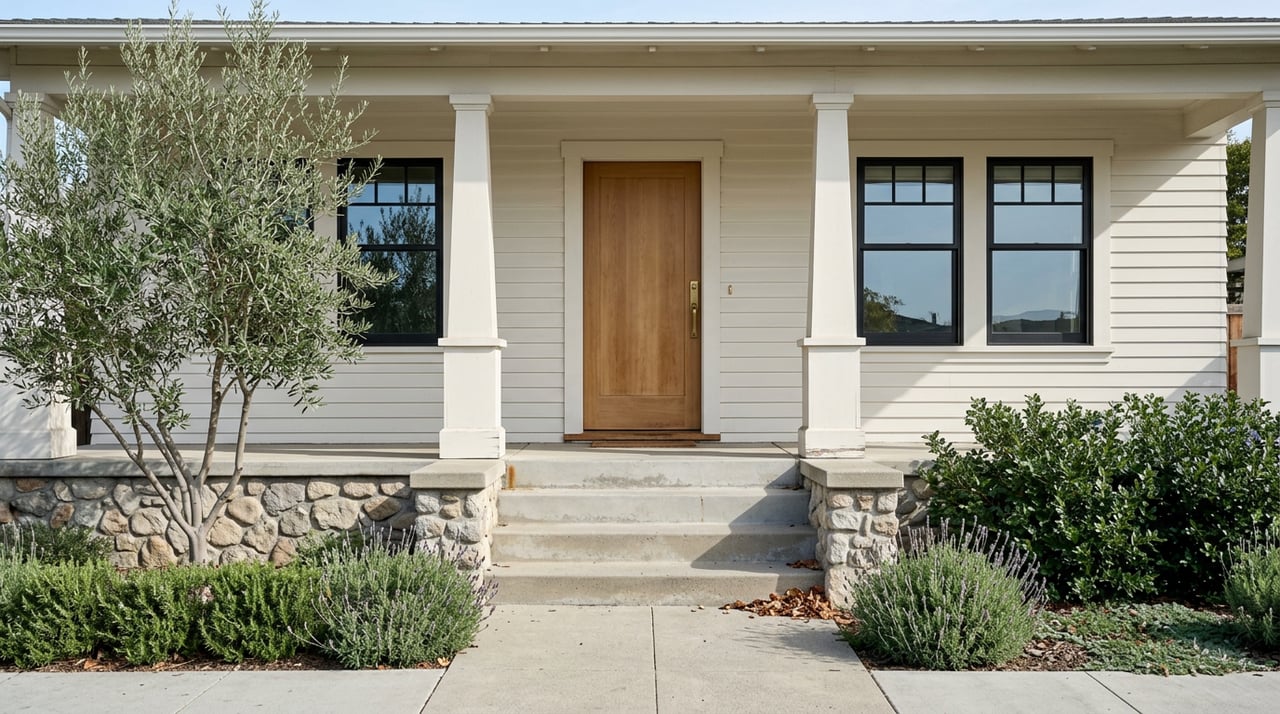
Trying to choose between the charm of an older Alameda County home and the convenience of something newer? You’re not alone. The East Bay offers both: pre‑war architectural gems and modern builds with open layouts and energy perks. In this guide, you’ll learn how age affects layout, maintenance, energy costs, permitting, and resale so you can match a home to your budget and lifestyle. Let’s dive in.
What “older” and “newer” mean here
Age varies block by block across Alameda County. County planning documents show a large share of homes built in the mid‑1900s, which means many properties will face system updates as they modernize. You’ll see this especially in legacy neighborhoods of Oakland and Berkeley. Alameda County’s housing element highlights the significant presence of older stock.
Berkeley stands out for age. The city notes a median year built around 1942, and nearly half of units were constructed before 1939. This points to classic details, defined rooms, and the maintenance considerations that come with pre‑war construction. You can see that older‑stock profile in Berkeley’s housing element.
Oakland features many pre‑war Victorian and early‑20th‑century Craftsman areas such as Rockridge, Grand Lake, Temescal, and Crocker Highlands alongside mid‑century tracts and newer infill. Hayward and nearby suburbs lean more post‑war, but you’ll still find older pockets. The key takeaway: neighborhood patterns drive what you’ll likely see when you tour listings.
Pros and cons at a glance
Older homes: why buyers love them
- Character and curb appeal. Original millwork, built‑ins, period windows, and unique proportions are common.
- Defined rooms. Separate living and dining rooms can create privacy and a traditional flow many buyers prefer.
- Established neighborhoods. Tree‑lined streets and historic districts can support strong long‑term demand.
Older homes: what to plan for
- Systems and envelope. Expect older roofs, foundations that deserve careful review, legacy electrical such as knob‑and‑tube, and older plumbing. Pre‑1978 homes require lead‑paint disclosures.
- Energy performance. Insulation and windows may lag modern standards, which affects comfort and utility bills.
- Renovation complexity. Load‑bearing walls and preservation rules can add design and permitting steps.
Newer homes: why buyers love them
- Modern layouts. Open plans, larger kitchens with islands, more closets, and multiple en‑suite bathrooms are typical.
- Energy and comfort. Recent California energy codes raise the performance baseline, often with solar and electric‑ready features.
- Lower near‑term maintenance. Mechanical systems and roofs are newer, reducing early replacement risk.
Newer homes: things to consider
- Lot and exterior limits. In some developments or HOAs, exterior changes may be restricted.
- Style tradeoffs. You may trade historic detail for streamlined finishes.
- Price premium. Turnkey benefits can command higher prices in competitive neighborhoods.
Energy, solar, and your monthly costs
California’s Building Energy Efficiency Standards, known as Title 24, set the floor for new construction. Since January 1, 2020, most new low‑rise homes must include solar. The 2022 Energy Code, effective January 1, 2023, added electric‑ready measures and expanded PV and battery readiness. The next cycle brings further updates. In practice, newly built homes tend to start with better envelopes, solar, and wiring that supports electrification. You can review the standards on the California Energy Commission’s site.
Older homes can absolutely close the gap with strategic retrofits. The good news: Bay Area homeowners can stack incentives to offset costs.
Local incentives to watch
- BayREN Home+. Regional rebates help fund heat pumps, heat‑pump water heaters, and related upgrades. See program reporting in the BayREN annual report.
- TECH Clean California. Statewide incentives support heat‑pump adoption and related work. Review current offerings on the TECH Clean California incentives page.
A concrete example: A Berkeley staff packet analyzed a typical heat‑pump water‑heater installation in Alameda County at roughly $6,700 to $7,900 before rebates. By stacking BayREN, TECH Clean California, and federal tax credits when eligible, the net cost in that example dropped to under about $5,000. See the figures in the City of Berkeley Council packet. Prices and incentives reflect that document’s timing; always confirm current availability and amounts before you build a budget.
Maintenance and inspection focus
If you are considering an older property in Berkeley, Oakland, or Hayward, build a plan for due diligence.
- Structure and foundation. Look for signs of settlement, sloping floors, or drainage issues. A foundation specialist can clarify scope and cost.
- Electrical and plumbing. Older systems like knob‑and‑tube wiring or galvanized/cast‑iron pipes may need upgrades for safety, performance, and insurance acceptance.
- Roofing and exterior. Check roof age, flashing details, and chimney condition. Period siding and windows can require regular upkeep.
- Health and safety. Pre‑1978 homes trigger federal lead‑paint disclosure requirements. Ask for seller disclosures and permits on any past abatement or encapsulation.
Newer homes are not maintenance‑free, but the first years often carry fewer system replacements. Still, allocate reserves for future roof or HVAC cycles and verify that any solar and battery systems were permitted and have transferable warranties.
Local rules that can change the math
Seismic and soft‑story retrofits
Multi‑unit, wood‑frame buildings with large ground‑floor openings are a known seismic vulnerability. Oakland operates a Mandatory Soft Story Retrofit Program with tiered compliance deadlines. If you are buying a duplex, fourplex, or small apartment building, ask for notices, permits, and final sign‑offs. Review the program on Oakland’s site. Berkeley implemented a similar program earlier; verify status on a per‑property basis.
Rent control and multi‑unit economics
If you are weighing newer versus older small multi‑family buildings, rent regulation matters. In Oakland, most multi‑family units built before January 1, 1983 fall under the Rent Adjustment Ordinance, which limits rent increases and includes other requirements. Read coverage details in the Rent Adjustment Program FAQs. In Berkeley, most multi‑family units built before June 1980 are fully covered under the city’s rent ordinance; see the Berkeley Rent Board registration and coverage page. Coverage can directly affect renovation strategy and cash flow.
Historic districts and design review
Many East Bay neighborhoods include local historic districts or landmarks. Exterior changes may require design review, which can extend timelines and add cost. This often travels with the “character” that makes older homes attractive, so factor both into your plan.
Shoreline flood and sea‑level planning
Bayfront and low‑lying areas in Alameda County are part of ongoing sea‑level rise planning. If you are considering property near the waterfront or along creeks and estuaries, review local flood resources and plan for potential future adaptation needs. Start with the county’s sea‑level rise page.
ADUs and permits
California has streamlined ADU approvals, but local implementation differs by city and evolves often. Before you count on an ADU to pencil a deal, verify setbacks, utility capacity, and any design guides for the specific city and lot.
Quick photo and listing checklist
Use this to scan Alameda County listings fast:
- Year built. Pre‑1978 often means lead‑paint disclosures and older mechanicals; pre‑1950 can indicate legacy electrical and original details.
- Exterior photos. Check rooflines, patchwork on shingles, chimney condition, gutters, and porch foundations.
- Interior photos. Small baths, separate formal rooms, and built‑ins suggest older stock. Open plans with island kitchens and multiple en‑suites signal newer builds.
- Systems callouts. Mentions of a new electrical panel, HVAC, roof, sewer lateral, or insulation upgrade reduce near‑term risk.
- Seismic notices. For multi‑unit buildings in Oakland or Berkeley, ask whether the property is in a soft‑story inventory or has completed retrofit work. Start with Oakland’s program page.
- Rent control context. For small multi‑family, identify whether units are covered based on year built in Oakland or Berkeley. See Oakland’s RAP FAQs and the Berkeley Rent Board.
- Flood/shoreline risk. If near the Bay, review the county’s sea‑level rise planning page and city flood resources.
- Incentives. If you want lower‑carbon comfort, check current BayREN and TECH Clean California incentives and whether the home’s electrical service supports heat‑pump upgrades.
- Permits and prior work. Request seller disclosures and permit records for major remodels. Consider a sewer scope, foundation check, and roof inspection as routine for older stock.
Neighborhood search tips
- Love classic detail and defined rooms? Focus your search on Oakland’s pre‑war neighborhoods like Rockridge, Temescal, Grand Lake, and Crocker Highlands, or Berkeley areas with a high share of pre‑1939 homes.
- Want open flow, bigger closets, and attached garages? Target newer infill and late‑90s to recent construction across Oakland and Hayward, plus townhome or small‑lot subdivisions where modern layouts are common.
- Seeking renovation upside? Look for older homes with documented system upgrades and clear paths for kitchen and bath remodels, or newer builds where cosmetic updates can add value without structural work.
Which path fits your goals?
- Choose an older home if you value architectural character, want to tailor spaces over time, and are comfortable budgeting for systems work. With the right inspections and a staged plan, you can preserve what’s special while improving comfort and efficiency.
- Choose a newer home if you want turnkey comfort, better baseline energy performance, and a layout that supports modern living from day one. You’ll likely face fewer near‑term maintenance surprises.
- For small multi‑family, align vintage with your strategy. Older buildings may be rent‑regulated and require seismic work, while newer ones may allow more flexible rents but could trade off lot size or character.
Ready to map these tradeoffs to real listings and budgets? Reach out to Perry Kayasone for renovation‑savvy guidance, local context, and a clear plan from offer to close.
FAQs
Are older Alameda County homes more expensive to maintain?
- They can be, because systems and building assemblies are older, but actual costs depend on prior updates; plan for thorough inspections and targeted specialist reviews.
Do newer homes in California always cost less to operate?
- New builds follow stricter energy codes and often include solar, so they typically cost less to run, but usage, equipment, and solar performance still influence bills.
What inspections should I prioritize for an older East Bay home?
- Foundation, roof, electrical, plumbing, sewer scope, and chimney/fireplace are common priorities, along with verifying permits for past work and required disclosures.
If I buy an older multifamily in Oakland or Berkeley, will I need a seismic retrofit?
- Possibly; check whether the building is on a city soft‑story list, what tier applies, and whether permits and final sign‑offs are complete before you buy.
Can incentives help me upgrade an older home’s energy performance?
- Yes; BayREN and TECH Clean California incentives, plus federal credits when eligible, can reduce costs for heat pumps, heat‑pump water heaters, and electrical upgrades.