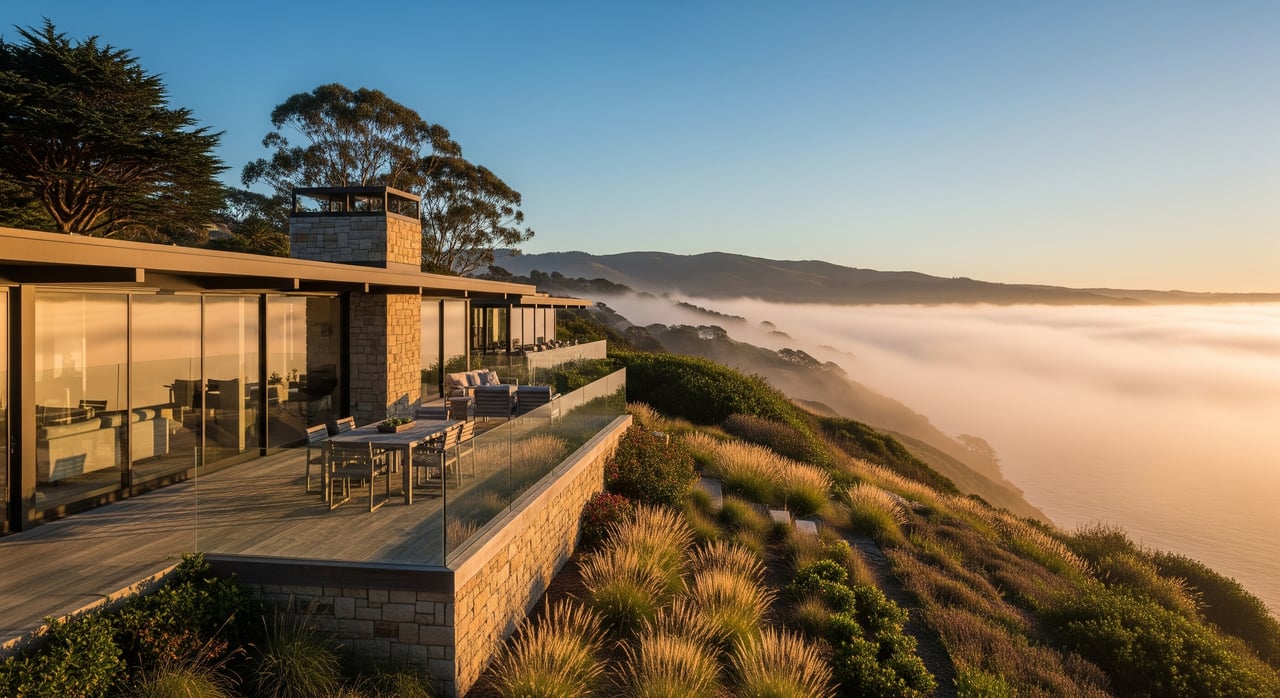
Do you ever leave a foggy morning in Pacifica and arrive to sunshine in Redwood City 20 minutes later? That is a microclimate at work. If you are shopping for a home in San Mateo County, those small shifts in weather can have a big impact on comfort, energy bills, maintenance, and how often you enjoy your yard. In this guide, you will learn what drives local microclimates, how to spot them, and which home features matter most for each zone so you can buy with confidence. Let’s dive in.
Why microclimates happen here
Marine layer and coastal fog
Cool, moist air from the Pacific often slides inland and settles against the coast. That marine layer creates low clouds and fog that keep ocean-facing towns cooler and damp, especially from late spring through summer.
Topography and elevation
The Santa Cruz Mountains, Skyline Ridge, and local valleys shape the wind and sun. Hills, bluffs, and canyons can make one block windy and cool while another is calm and warm.
Bay vs. ocean influence
The bay moderates night temperatures. Ocean-facing areas see more persistent fog. Homes closer to the bay often get milder swings than the coast or inland warm pockets.
Prevailing winds
Winds often flow from the northwest off the ocean. In certain gaps and canyons, those winds speed up and create strong wind corridors that affect outdoor comfort.
Urban heat island
Built-up areas with more pavement warm faster on sunny days. Downtown zones and denser neighborhoods can run warmer than coastal or vegetated hillsides.
Where the common microclimates are
Coastal fog belt and ocean towns
Examples: Pacifica, Montara, Half Moon Bay, western Daly City.
- Frequent low clouds and fog in late spring and summer.
- Cooler daytime highs and damp conditions.
- On the same afternoon, it can be several degrees up to about 10°F cooler than inland areas.
Western hills and Skyline
Examples: portions of the Santa Cruz Mountain ridge and Skyline corridor.
- Cooler, windier, with bigger day-night swings.
- More exposure to storms and orographic rain.
- Snow is rare, but wind and heavy rain matter for materials and drainage.
Mid‑Peninsula sun belt
Examples: central Redwood City, parts of Menlo Park, parts of San Carlos, some inland Burlingame neighborhoods.
- More sunny days and warmer summer highs.
- Less fog than the coast.
- Better solar potential and higher daytime cooling needs.
Bayfront and sheltered bayside neighborhoods
Examples: Foster City, parts of Burlingame and South San Francisco near the bay.
- Milder day-night swings.
- Less persistent ocean fog than the coast.
- Often calmer winds, depending on local sheltering.
Canyon and slope pockets
Steep ravines and sheltered yards can feel warmer, cooler, windier, or calmer than nearby streets. Orientation and shielding matter a lot here.
Seasonal timing you will notice
- May to August: Fog and marine layer are most frequent along the coast and west-facing slopes.
- September to October: Often the warmest, sunniest period, with reduced fog.
- Winter: Cooler nights countywide. Some higher or inland pockets can feel colder overnight than sheltered lowlands.
What microclimates mean for comfort and energy
Cooling and heating expectations
- Inland and sunnier neighborhoods usually need active cooling more often. Air conditioning or efficient heat pumps become important in the sun belt.
- Coastal homes often stay comfortable with natural ventilation and ceiling fans. Heating needs are modest, but foggy areas can feel cool and damp, so gentle, efficient heating helps.
Humidity and mold risk
Persistent fog and coastal moisture can raise indoor humidity, especially if insulation or ventilation is lacking. When touring coastal properties, look for moisture signs, musty odors, or condensation on windows.
HVAC sizing and type
Microclimate drives system needs. Coastal homes can often use smaller heat pumps or mini-splits. Inland homes may require higher-capacity cooling for hot afternoons. Proper sizing based on local design temperatures is key.
Ventilation and whole‑house fans
Whole‑house fans and controlled ventilation can be effective where cool night air can flush out daytime heat, like coastal and bayside homes. During wildfire smoke events, minimize outdoor air intake and rely on filtration.
Insulation and windows
Insulation and double‑pane windows help in every zone. They reduce energy use, improve comfort, and cut condensation problems in moist coastal areas.
Solar potential
Sunny inland and south-facing sites generally produce more solar energy than fog-prone coastal sites, especially in the mornings. Shading analysis and orientation will help you estimate production.
Wildfire smoke and air quality
Hillsides and vegetated slopes face higher wildfire risk. Smoke events can affect indoor air quality countywide, so filtration and sealed ductwork add resilience. Prioritize MERV 13 or better filtration if smoke is a concern.
Maintenance and materials to watch
Salt corrosion near the ocean
Salt spray and salty fog can shorten the life of exterior metals, HVAC condensers, and roof fasteners. Stainless or coated materials and consistent maintenance help protect your investment.
Exterior finishes and paint
Coastal moisture can weather paint and sealants faster. Ask about the exterior maintenance schedule, materials used, and any upgrades that improve durability.
Roofs, gutters, and attic ventilation
Shaded, moist coastal locations can see more moss or lichen on roofs. Roof material and pitch matter, along with gutter upkeep and attic ventilation to manage moisture.
Wildfire risk and defensible space
Hillsides and vegetated slopes require vegetation management and ember‑resistant details. Confirm local requirements for defensible space and understand how they influence upkeep.
Insurance, regulation, and resale
Insurance availability and costs can vary with wildfire hazard, flood zones in low‑lying or bayfront areas, and coastal erosion concerns. Preferences vary, too. Some buyers pay premiums for sunny mid‑Peninsula outdoor living, while others prize coastal cool and views. A clear picture of risks and benefits helps you price and plan.
Outdoor living and landscaping by microclimate
Sun, wind, and sheltering
South‑facing yards and walls capture more sun. Fences, hedges, and courtyards can create sheltered outdoor rooms, which is especially helpful near windy coastlines or exposed ridgelines.
Planting and water use
- Coastal fog supports plants that prefer cool, moist summers.
- Inland gardens do better with heat and drought‑tolerant species.
- Xeriscaping and Mediterranean natives reduce irrigation and are often encouraged by local programs.
Patio and pool siting
Place patios and pools on the sheltered, sunny side when possible. South or southwest exposures can warm coastal yards. In inland pockets, aim for afternoon shade to keep spaces comfortable.
Pests and fungus
Moist coastal yards may favor moss and lichen. Irrigation frequency and insect activity vary with microclimate, so ask landscapers about species selection and maintenance.
How to evaluate a property’s microclimate
Visit more than once
- Early morning: Check for fog, low cloud, and dampness.
- Mid‑afternoon: Gauge peak sun, wind, and indoor temperatures.
- Evening: Assess cooling patterns and comfort.
Ask neighbors and observe the site
Longtime residents can describe fog patterns, winds, and seasonal quirks. Look for vegetation clues, salt corrosion on metal, rust stains, green trim, or paint wear that suggest moisture exposure.
Use simple tools to corroborate
Check local weather station histories, climate summaries, and mapping tools to understand temperature, humidity, and exposure. Review topography to see how slope and aspect shape sun and wind.
Questions for sellers and inspectors
- How old are the HVAC systems, and are there service records? Is there AC and what is its capacity?
- Any moisture or mold issues in crawlspaces, basements, or attics? Any window condensation?
- When was the exterior last painted or treated for corrosion? Any recurring maintenance tied to fog or salt?
- Has the property needed wildfire mitigation like defensible space or ember‑resistant vents?
- Are there utility or insurance considerations tied to location, such as flood zones or wildfire hazard?
Quick checklist for showings
- Note the noon sun direction and any shade on key living areas and yard.
- Look for wind exposure signs like trees leaning or flags flapping.
- Check metal fixtures and outdoor HVAC units for corrosion.
- Assess roof, gutters, and attic ventilation.
- Scan landscaping for drainage and plant health that match local conditions.
Match features to your likely microclimate
If you expect a foggy or coastal setting
- Priorities: Excellent ventilation, moisture management, and insulation to prevent condensation. Favor mold‑resistant materials and stainless or galvanized fasteners.
- Look for: South or southwest‑facing rooms and gardens to capture sun, plus sheltered outdoor areas and a documented exterior maintenance history.
If you expect a mid‑Peninsula sun belt
- Priorities: Adequate cooling capacity, exterior shading, reflective roofing, and light‑colored finishes. If near hills, consider fire‑hardening.
- Look for: Roof orientation that suits solar panels, shading for west‑facing windows, and healthy trees for summer shade that are maintained for fire safety.
If you expect a hillside or exposed ridge
- Priorities: Wind protections, stormwater and erosion control, secure roofing and fastening, and defensible space for wildfire.
- Look for: Vegetation management, slope stability, and clear emergency access.
If wildfire smoke is a concern
- Priorities: Whole‑house filtration rated MERV 13 or higher or HEPA, a tight building envelope, sealed windows and doors, and backup power for filtration and HVAC.
- Look for: HVAC filter details, sealed ductwork, and an interior room that can serve as a clean room during smoke events.
No‑regret upgrades for any zone
- Improve attic and wall insulation and install double‑pane windows.
- Ensure proper attic ventilation and good roof and gutter condition.
- Consider efficient heat pump HVAC with properly sealed ducts.
- Add smart thermostats and controls for energy optimization.
- Evaluate solar potential with site‑specific shade and orientation.
Putting it all together: quick scenarios
- You love Pacifica for the views and cool summers. Focus on moisture‑aware construction, quality exterior materials, and sheltered outdoor rooms. Confirm paint and corrosion maintenance and consider a smaller heat pump for efficient, gentle heating and occasional cooling.
- You want sunny weekends in Redwood City. Prioritize AC or a right‑sized heat pump, window shading, and roof suitability for solar. Plan trees or awnings to protect west exposures and keep your patio comfortable in late afternoons.
- You are drawn to hillside privacy above San Carlos. Check wind exposure, secure roofing, drainage, and defensible space. Upgrade filtration and envelope sealing to prepare for regional smoke events.
Buying with a clear microclimate strategy helps you choose the right systems, plan realistic upkeep, and enjoy your home more every day. If you want help matching a property’s microclimate to the right features and renovation plan, Call Perry Kayasone](https://perrykayasone.com). Perry pairs local market expertise with construction know‑how so you can budget upgrades, compare homes, and move forward with confidence.
FAQs
What is a microclimate in San Mateo County?
- A microclimate is a local weather pattern shaped by the ocean, bay, hills, and wind that can change temperatures, fog, and wind over very short distances.
How much can temperatures vary between neighborhoods?
- On many days, the difference can be several degrees and sometimes up to about 10°F between coastal foggy areas and sunnier inland pockets.
Which areas see the most fog in summer?
- Ocean‑facing towns like Pacifica, Montara, and Half Moon Bay commonly see more fog in late spring and summer than inland neighborhoods.
Do I need air conditioning on the coast?
- Many coastal homes stay comfortable with ventilation and fans, but personal comfort varies; some buyers still prefer smaller heat pumps for precise control.
How do microclimates affect energy bills?
- Inland homes may spend more on cooling during heat events, while coastal homes often use gentle heating longer; insulation and windows help reduce costs in both.
What maintenance issues should coastal buyers watch for?
- Look for signs of salt corrosion on metal, quicker paint wear, and moss on roofs, and confirm regular exterior maintenance and material choices.
How can I check a property’s microclimate before buying?
- Visit at different times of day and in different seasons, talk with neighbors, observe wear and vegetation, and review local climate and topography data.
What upgrades work well across all microclimates?
- Improve insulation, install double‑pane windows, seal ducts, maintain roofs and gutters, consider heat pumps, and use smart controls for efficiency.