What will your daily trip look like if you live in Daly City? If you are weighing BART, tech shuttles, or driving the freeways, the choices can feel overwhelming. You want predictable timing, realistic parking options, and a neighborhood that fits your routine. In this guide, you will compare door-to-door times, first and last mile tips, and the trade-offs that matter most for San Francisco, Peninsula, and South Bay commutes. Let’s dive in.
Why Daly City works for commuters
Daly City sits at the northern edge of San Mateo County with fast access to San Francisco, SFO, and the Peninsula. BART makes downtown SF reachable in minutes, and nearby freeways give you flexibility if your job shifts or you split time between offices.
The biggest variable is your first and last mile. Living within walking distance of Daly City BART often delivers the most predictable SF commute. Living near I-280 or US-101 adds flexibility for South Bay or airport runs but exposes you to peak traffic swings.
BART to San Francisco
Where BART takes you
From Daly City Station, BART connects directly to downtown San Francisco and key Market Street stations. Trains also run toward Millbrae for connections to Caltrain. For current lines and departure times, check the official BART schedules.
Frequency and timing
On weekdays, you typically see frequent trains during the peaks, with longer headways off-peak and on weekends. Train time from Daly City to downtown SF is about 10 to 20 minutes, then add a few minutes for station exits and your last-mile walk. Always confirm timing on the day you travel, since headways and track work can affect frequency.
Parking at Daly City Station
Daly City BART offers paid station parking, permits, and bike storage options. Lots often fill early on weekdays, so plan to arrive ahead of the morning surge or use drop-off. For rules, fees, and permit availability, review the BART parking program.
First and last mile tips
Many riders walk, bike, or use ride-hailing to reach Daly City BART. Local buses can bridge the gap if you are beyond a short walk. If you bike, confirm bike parking and locker options at the station and factor Daly City’s hills into your daily plan.
Caltrain access for Peninsula and South Bay
Nearest stations
Daly City is not on the Caltrain corridor. The most practical access points are Millbrae and South San Francisco, with Bayshore also in reach for certain origins. You can drive, use ride-hailing, or combine BART to Millbrae for a cross-platform connection.
Typical time windows
From Millbrae, trains to San Francisco can take about 20 to 30 minutes depending on the service. To Palo Alto, Mountain View, or San Jose, plan for 20 to 60+ minutes based on train type and destination. Build in time to reach and park at the station, since that often determines your true door-to-door time. Check the latest Caltrain schedules.
Parking realities
Millbrae has the most capacity among nearby options but can still be busy during the morning peak. South San Francisco and Bayshore offer smaller lots that may limit drive-and-ride plans. For station details and parking rules, review Caltrain’s stations information before you commit to a routine.
Buses and tech shuttles
SamTrans and Muni connections
SamTrans runs multiple routes linking Daly City to San Mateo County job centers and SFO, with several routes feeding Daly City BART and retail hubs like Serramonte. Review route maps and timing on the SamTrans schedules page. If you live near the San Francisco border, Muni lines can provide a direct path into the city’s transit network. Explore options on the Muni system map.
Employer shuttles
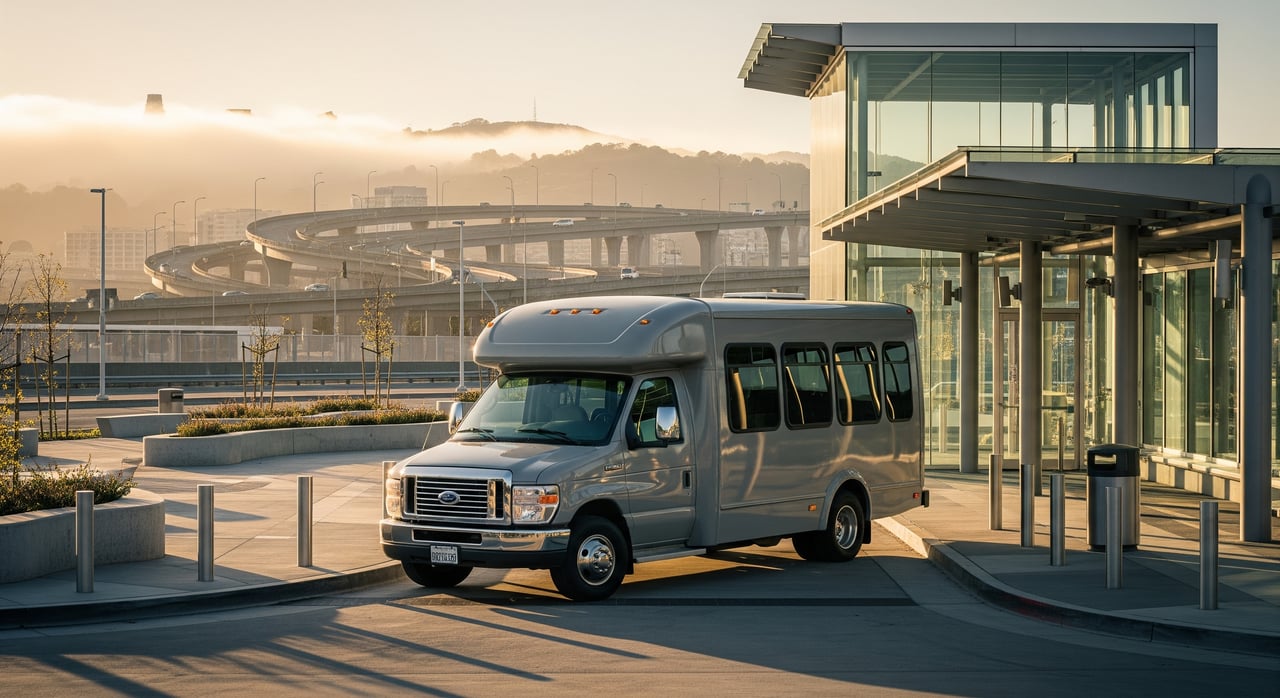
Many large tech employers operate private shuttles along US-101 and I-280 with select community stops. These are typically for employees only, and routes change by season and employer. Ask your HR team or property manager about the closest stop and backup options if your schedule shifts.
Driving routes and realistic times
Core corridors
- US-101 runs north-south through the Peninsula to San Francisco and the South Bay. It tends to back up during the morning northbound and afternoon southbound peaks.
- I-280 is often less congested and can be faster into San Francisco, though reaching the right onramp from some Daly City neighborhoods may add local travel time.
- I-380 connects I-280 and US-101 toward SFO.
For corridor patterns and performance insights, consult Caltrans District 4’s regional resources at Caltrans District 4.
Typical travel windows
- Daly City to downtown San Francisco: ~15 to 25 minutes off-peak. During the morning peak into SF, plan for ~20 to 45+ minutes, depending on incidents and your exact origin and destination.
- Daly City to SFO: ~10 to 15 minutes off-peak, and ~15 to 30+ minutes during higher-traffic periods.
- Daly City to the South Bay: off-peak can be ~25 to 45 minutes, but afternoon and evening southbound traffic often stretches to ~45 to 90+ minutes.
Always assume variability with collisions, weather, and construction. Use live navigation the week you test routes and when setting a daily routine.
Tips to choose 101 vs 280
- If your main destination is downtown SF, I-280 often provides a smoother run into the city core, but confirm with live routing at your typical departure time.
- For jobs east of 280 or closer to the Bayshore, US-101 may shorten the final miles despite heavier congestion.
- If you split time between SF and the South Bay, living near both a 280 onramp and Daly City BART gives you flexibility to adapt day by day.
Parking and neighborhood nuances
BART and Caltrain parking
Expect Daly City BART lots to fill early on weekdays and plan for permits or daily fees. Millbrae offers the most Caltrain parking capacity for Daly City residents but is still busiest early. Always check BART and Caltrain pages before assuming daily availability.
- BART: schedules and permits at BART schedules and BART parking
- Caltrain: timetables and station details at Caltrain schedules and Caltrain stations
Residential and commercial parking
Commercial centers like Serramonte and Westlake offer shopper parking with time limits and enforcement, so they are not reliable commuter options. Some residential areas near transit or commercial strips use permit programs. For current city policies, start with the City of Daly City transportation and parking resources.
Commute scenarios to compare
- Commuter A: Walks to Daly City BART and works near Embarcadero. Door-to-door is often ~25 to 40 minutes including station walks on both ends.
- Commuter B: Drives to Millbrae and takes Caltrain to downtown San Jose. Door-to-door is often ~45 to 80+ minutes, depending on parking, train type, and transfers.
- Commuter C: Drives to Mountain View with variable hours. Trip is often ~30 to 60+ minutes depending on time of day. I-280 is usually more consistent than US-101.
- Commuter D: Early shift at SFO using transit. Plan for ~20 to 45 minutes, noting that early service patterns and transfer timing matter.
These are planning ranges. Test at your expected departure times before you finalize a neighborhood or a home.
How to test your commute before you buy
- Run door-to-door tests at least three weekdays during your normal departure times.
- Compare BART vs driving for SF-bound days. Use BART schedules to check train frequency changes.
- If you rely on Caltrain, test both the drive to Millbrae and the time to park and board. Confirm timetables at Caltrain schedules.
- Visit Daly City BART and Millbrae parking areas before 8:00 AM to see real conditions.
- Map backup options: SamTrans for Peninsula routes via SamTrans schedules and Muni near-border trips via the Muni map.
- Note any employer shuttle stops and verify eligibility and timing with HR.
Final thoughts
If your week revolves around downtown SF, living within a short walk or a quick bus ride to Daly City BART is hard to beat. If your role pulls you south along the Peninsula, easy access to Millbrae or South San Francisco for Caltrain, plus a nearby 280 onramp, can make your routine more predictable. The best fit comes from testing your own routes and weighing parking reliability against living space and budget.
If you want help aligning your home search with your commute, market goals, and any future renovation plans, reach out to Perry Kayasone. You will get local guidance, practical time-and-route planning, and a clear strategy to find the right Daly City home.
FAQs
Is Daly City a good home base for daily SF commutes?
- Yes. BART from Daly City to downtown SF is typically about 10 to 20 minutes of train time, and living close to the station makes the door-to-door trip highly predictable.
How long does BART take from Daly City to downtown SF?
- Plan on about 10 to 20 minutes of train time, plus a few minutes for station exits and your final walk or transfer in the city.
Is Daly City convenient if I need Caltrain for the Peninsula?
- It can work, but you will likely drive or transfer to Millbrae or South San Francisco; if you ride Caltrain often, consider how much time station access and parking add.
What are typical drive times from Daly City to SFO and the South Bay?
- SFO is often about 10 to 15 minutes off-peak and 15 to 30+ minutes in higher traffic; South Bay trips can range from 25 to 45 minutes off-peak to 45 to 90+ minutes during peak periods.
Do tech shuttles stop in Daly City?
- Many employers run private shuttles along US-101 and I-280 with selected community stops; availability and stop locations are employer-dependent.
How early does Daly City BART parking fill on weekdays?
- Lots often fill before mid-morning; check BART’s parking page for current permit options, daily fees, and lot status before you rely on parking.