Wondering what day-to-day life in Santa Clara County really feels like before you make a move? If you are weighing commute times, access to job centers, nearby parks, and the overall rhythm of each area, you are not alone. Santa Clara County offers a wide mix of living patterns, from work-close urban convenience to more suburban routines with added space. This guide will help you understand the trade-offs so you can choose a location that fits how you actually want to live. Let’s dive in.
Santa Clara County at a Glance
Santa Clara County is one of California’s largest counties by population, with 1,926,325 residents counted in the 2020 Census and a 2025 population estimate of 1,914,391. It is also a major employment center, and the county says it provides more than a quarter of Bay Area jobs.
For everyday living, a few numbers help set expectations. Census data shows a 55.1% owner-occupied housing rate, a median owner-occupied home value of $1,490,600, a median gross rent of $2,857, and an average household size of 2.82. The county is also highly international and multilingual, with 41.5% of residents foreign born and 55.2% of residents speaking a language other than English at home.
What Commuting Looks Like
Commuting in Santa Clara County is shaped by both local job density and the broader Bay Area transportation network. Across the Bay Area in 2024, 69% of commuters drove alone or carpooled, 8% used public transit, and 17% worked from home.
Santa Clara County stands out because many residents work close to home. The Metropolitan Transportation Commission reports that 87% of employed residents stay in-county for work, which is the highest share in the Bay Area. That helps explain why some commute times can feel more manageable here than buyers expect.
Census QuickFacts lists the county’s mean commute time at 26.2 minutes. MTC data adds more context, showing that some Silicon Valley cities like Santa Clara and Sunnyvale come in under 23 minutes on average, while the regional average for drivers is 29 minutes and transit riders average 50 minutes.
Driving Is Still the Default
For many households, driving remains the most practical way to get around. Santa Clara County says it maintains 62 miles of expressways that handle about 1.5 million vehicle trips each day.
That network supports the daily reality of life here. If your work, errands, and activities are spread across multiple cities, having quick access to expressways and major routes can make a big difference in how efficient your week feels.
Transit and Multi-Mode Options Matter
Even though driving is common, Santa Clara County is not just a car-only market. VTA offers bus, light rail, carpool, bike, and vanpool options, which can give you more flexibility depending on where you live and work.
Regional connections also matter. MTC’s express lanes include US-101 and State Route 85 in Santa Clara County, and Caltrain serves major stations including San Jose Diridon, Santa Clara, Sunnyvale, and Mountain View. If you need Peninsula access, those stations can make that commute more practical.
Job Centers Shape Daily Life
Unlike places built around one central downtown, Santa Clara County has several major job nodes. That means your daily routine often depends less on the county as a whole and more on how close you are to the specific part of the county where you work.
Downtown San Jose serves as a central hub for music, art, food, and nightlife, while North San Jose is home to most of the city’s 6,600-plus tech companies. The City of Santa Clara highlights a large business base that includes Applied Materials, Intel, Nvidia, Oracle, Ericsson, and more than 12,000 businesses.
Sunnyvale identifies major employers such as Google, Apple, Amazon, Intuitive Surgical, Meta/Facebook, Synopsys, and Applied Materials. Cupertino describes itself as a 13-square-mile tech hub and says it is home to Apple and other high-tech companies.
Why Location Choices Matter
Because employment is spread across several jobs-rich areas, your home search should start with your likely weekly routine. A home that looks ideal on paper can feel very different once you factor in drive times, transit access, and how often you need to cross the county.
In general, living near Santa Clara, Sunnyvale, Cupertino, or central San Jose may shorten the door-to-door workday for many buyers. Outer-suburban and south county locations may offer a different pace, often with more space, but they can also mean longer drives depending on your destination.
Everyday Living Beyond the Commute
A good move is not just about getting to work. It is also about how easy it feels to run errands, get outside, meet friends for dinner, and enjoy where you live on a normal Tuesday.
Santa Clara County offers a strong mix of urban amenities, established neighborhood business districts, and outdoor recreation. That variety is one reason many buyers can find a routine here that fits both work demands and personal lifestyle.
Parks and Outdoor Access
Outdoor access is a major part of everyday life in the county. Santa Clara County Parks manages 28 regional parks across more than 55,000 acres, with 350 miles of hiking, biking, and horseback riding trails, along with camping parks and reservoirs.
A few notable examples show the range. Santa Teresa County Park is a 1,673-acre hillside park about 10 miles south of downtown San Jose, while Almaden Quicksilver combines trails with mining history and a museum. Los Gatos Creek County Park offers a 110-acre urban park and trail network, Uvas Canyon spans 1,147 acres, Mt. Madonna covers 4,605 acres, and Henry W. Coe includes about 87,000 acres of backcountry east of Morgan Hill.
If outdoor access is part of your weekly routine, this matters. Living closer to foothill areas, south county locations, or neighborhoods with easier park access can shape how often you actually use these amenities.
Dining, Errands, and Social Life
Daily convenience in Santa Clara County is often neighborhood-based rather than countywide. In San Jose, Downtown is known as a central hub for food and nightlife, while Japantown includes boutiques, traditional shops, museums, and eateries.
Other established districts add different kinds of everyday appeal. Santana Row is known for shopping and entertainment, Willow Glen for outdoor restaurants and cafes, and Little Saigon and Little Portugal for dining options. Sunnyvale also highlights a historic downtown with local eateries, merchants, art festivals, concerts, and a year-round farmers’ market.
How Housing Fits Different Lifestyles
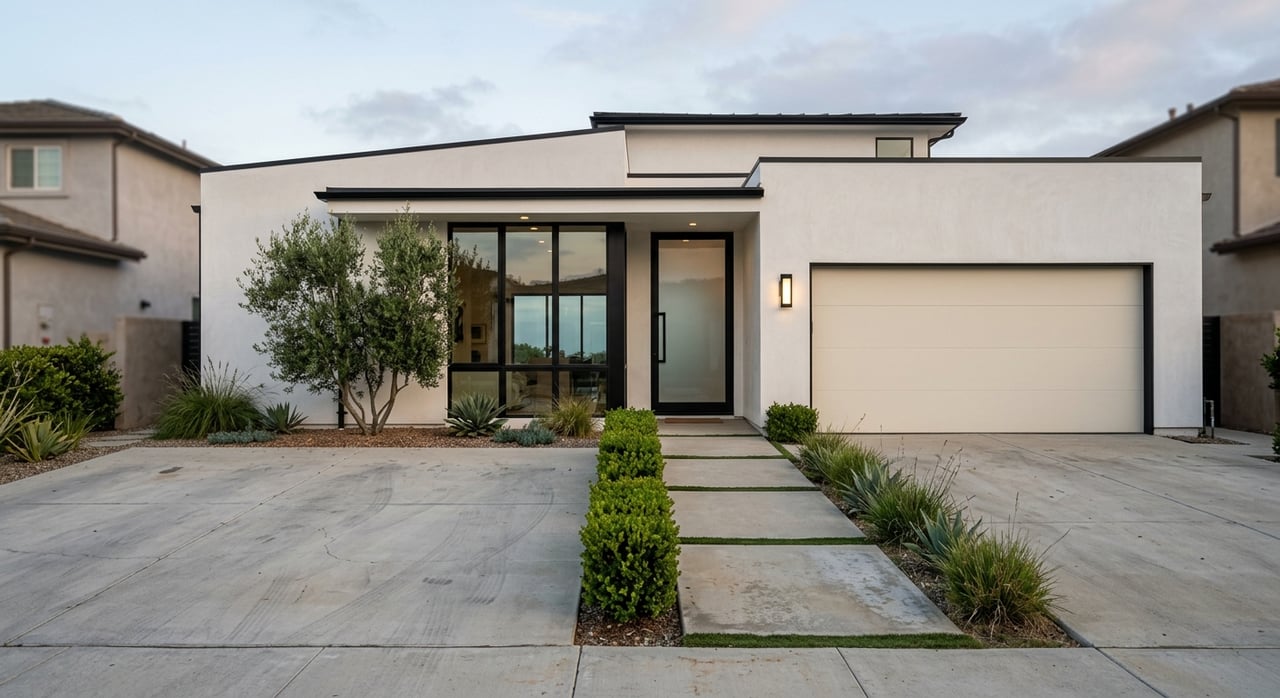
Santa Clara County is not a one-size-fits-all housing market. Based on census housing data and city and neighborhood descriptions, buyers can expect a mix of detached single-family homes, townhomes, and condos across the county.
That variety supports different living goals. If you want a shorter commute and more walkable daily routines, areas closer to Santa Clara, Sunnyvale, and central San Jose may be a better fit. If you want a more suburban pace, you may prefer areas farther south or neighborhoods near foothills and parks.
Common Trade-Offs Buyers Consider
Most buyers in Santa Clara County are balancing the same core questions:
- How close do you need to be to your job center?
- How much space do you want at home?
- How important is transit access?
- How often do you want dining, shopping, or entertainment nearby?
- How much do parks and trail access matter to your weekly routine?
In this county, the usual trade-off is proximity versus space. Living closer to major job centers can support a faster, more connected routine, while living farther out may offer a quieter residential setting and easier access to larger open-space areas.
A Practical Way to Narrow Your Search
If you are relocating to Santa Clara County, it helps to think beyond city names and focus on your real weekly pattern. Start with the places you need to be most often, such as work, transit stations, parks, or favorite shopping and dining areas.
Then map your priorities in order. A buyer who needs quick access to Santa Clara or Sunnyvale may search differently than someone who wants more room and is comfortable with more drive time. The right fit usually comes from matching the home to your routine, not just the listing photos.
If you are also weighing renovation potential, that is where a practical eye can help. In a competitive market with high home values, the right property is sometimes the one with solid fundamentals and clear upside, not just the one that looks perfect on day one.
Santa Clara County offers a lot of ways to live well, but the best choice depends on how you want your days to feel. If you want help comparing neighborhoods, commute patterns, and homes with renovation potential, Perry Kayasone can help you build a smart, realistic plan.
FAQs
What is the average commute time in Santa Clara County?
- Census QuickFacts lists the mean commute time in Santa Clara County at 26.2 minutes.
What transportation options are available in Santa Clara County?
- Santa Clara County commuters use a mix of driving, VTA bus and light rail, carpooling, biking, vanpooling, express lanes on US-101 and SR-85, and Caltrain stations including San Jose Diridon, Santa Clara, Sunnyvale, and Mountain View.
Which parts of Santa Clara County are close to major job centers?
- Major job centers are concentrated in places such as Santa Clara, Sunnyvale, Cupertino, Downtown San Jose, and North San Jose.
What is everyday living like in Santa Clara County outside of work?
- Everyday living often combines neighborhood-based dining and errands with strong outdoor access, including 28 regional parks, major trail networks, and established districts such as Downtown San Jose, Japantown, Santana Row, Willow Glen, and Sunnyvale’s historic downtown.
What types of homes are common in Santa Clara County?
- Based on census housing data and city descriptions, the county includes a mix of detached single-family homes, townhomes, and condos in settings that range from denser urban districts to more suburban residential areas.
Is Santa Clara County a good fit for buyers who want both convenience and outdoor access?
- Santa Clara County can work well for buyers who want that balance because it combines major job centers and transit options with extensive parkland, trail systems, and varied neighborhood living patterns.