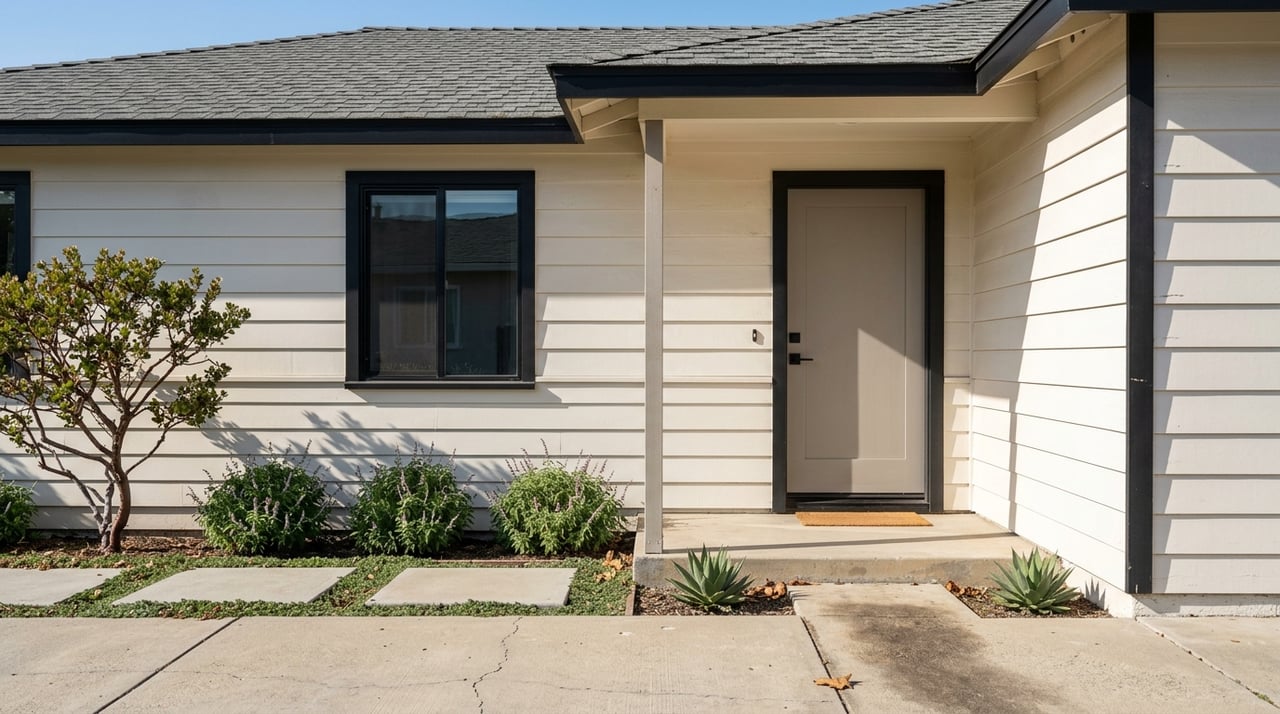
A fixer-upper can look like a bargain at first glance, but in Alameda County, the smartest buy usually comes down to what you cannot see in the listing photos. Permit rules, inspection needs, and approval timelines can change from one city to the next, even for homes that look nearly identical. If you want to buy with confidence, you need a clear way to separate a manageable project from an expensive surprise. Let’s dive in.
Start With the Property’s Jurisdiction
In Alameda County, there is no single permit system for every property. Oakland, Berkeley, Hayward, and Alameda County’s unincorporated areas each have their own permit centers, review processes, and property records systems.
That matters because the same renovation plan can face different requirements depending on where the home sits. Before you get attached to a property’s potential, confirm which city or county department controls permits, plan check, and inspections for that address.
Know What Is Usually Cosmetic
Cosmetic work is often the easiest type of fixer-upper project to budget. In Berkeley and Oakland, work such as painting, papering, tiling, carpeting, cabinets, and countertops is generally listed as permit-exempt. Hayward also exempts many finish items, including carpet, paint, tile, and wood flooring, though tile in wet interior areas may still require a permit.
This is why a home that mainly needs surface updates can be more predictable. If your plan is mostly fresh finishes, you may have a simpler path than you would with layout changes or system upgrades.
Cosmetic Work Can Still Have Limits
Even when work looks minor, local rules can still add another layer. Berkeley notes that a zoning permit may still be required even when a building permit is not, and Oakland notes that design review can apply to exterior changes.
So if your fixer-upper strategy includes changing the outside appearance, replacing windows, or making visible exterior updates, do not assume it is just a quick cosmetic project. The approval path may be more involved than the finishes alone suggest.
Spot the Projects That Trigger Permits
Once a renovation moves beyond finishes, costs and timelines usually rise. Oakland requires permits for changes to walls, window replacement, kitchen and bath remodels, mechanical, electrical, and plumbing work, foundation repair, and seismic retrofits. Berkeley’s process also calls for structural plans and mechanical, plumbing, and electrical design for more involved projects.
This is where many buyers underestimate the true scope of work. A house that needs a new kitchen, updated wiring, drainage corrections, or foundation work may still be a good opportunity, but it needs stronger due diligence and a wider budget cushion.
Exterior Changes Often Need Extra Review
Exterior improvements can be especially important to flag early. Oakland requires design review for changes to the outside of a building and for new buildings. Berkeley also notes that zoning review may apply, even if some work is otherwise exempt from a building permit.
If your value-add plan depends on curb appeal changes, added openings, or exterior reconfiguration, make sure you account for that review process before you build your numbers.
Use Inspections to Find Real Risk
A smart fixer-upper purchase starts with independent inspections. Inspection guidance in the research recommends scheduling an independent inspection as soon as possible and making your offer contingent on a satisfactory result, so serious defects can lead to renegotiation or cancellation.
For Alameda County buyers, some of the biggest financial surprises tend to come from foundation movement, water intrusion, older systems, seismic vulnerability, and unpermitted additions. Those are the issues that can turn a promising remodel into a project with a very different budget.
Focus on Structural and System Red Flags
You should pay close attention to the home’s structural integrity, electrical system, plumbing, and any signs of pest or termite damage. These categories often affect both safety and renovation cost, and they may trigger permit and inspection requirements once repairs begin.
In practical terms, this means the smartest opportunities are often homes where the major issues are visible, measurable, and priced in. If the scope is unclear, your risk usually rises.
Seismic Issues Matter in Alameda County
Seismic risk belongs in your underwriting. Oakland notes that foundation repair and seismic retrofits require permits, and certain wood soft-story buildings with five or more units built before 1991 may be subject to mandatory seismic retrofit requirements. Alameda County’s emergency preparedness page also cites a USGS estimate of a 46% chance of a magnitude 7.5 or larger earthquake in California over the next 30 years.
For single-family buyers, the takeaway is simple: do not treat seismic work as an afterthought. If a property shows signs of structural movement or likely retrofit needs, factor that into your budget and timeline from day one.
Older Homes May Bring Lead-Safety Issues
If you are considering an older property, look closely at the age of the home before planning paint or wall work. Oakland requires a permit for projects involving lead-based paint, and its work-exempt guidance excludes painting that disturbs paint on pre-1978 structures.
That means an older home may carry added compliance steps even for work that sounds simple. A fresh cosmetic update is not always simple when older materials are involved.
Verify Permit History Before You Make an Offer
One of the smartest moves you can make is checking the permit history early. Berkeley provides online access to building and planning permits issued since 1993 and offers older records on microfiche. Oakland has a Residential Building Record, known as the 3-R Report, that provides permit history for a residential property.
Hayward states that city records determine the legal status of a property, though records before 2014 are not online. Alameda County’s unincorporated-area portal also allows requests for historical building permit files.
Why Permit History Matters
Fresh paint and updated finishes can make a home feel move-in ready, but they can also hide older unpermitted work. If a prior owner enclosed space, moved walls, added plumbing, or altered systems without approval, that history can affect your renovation plans, financing assumptions, and future resale.
When records are missing or inconsistent, rely on the city or county process instead of verbal history alone. Hayward directs buyers to city staff and public-records requests, and Oakland provides formal public-records and 3-R report workflows for this reason.
Plan for Real Review Timelines
A fixer-upper timeline should include permit review and inspections, not just construction days. In Berkeley, some minor residential projects may be approved over the counter in 30 minutes or less, while other residential remodels or structural alterations typically take 1 to 3 weeks, and larger projects are about 6 weeks. Incomplete plans can slow that process significantly.
Oakland’s published timing shows about 10 days for minor residential engineer review projects, about 21 days for typical one- to two-unit additions or alterations, and about 80 days for new one- to two-unit residential projects.
Hayward Has Online Tools, but Timing Still Varies
Hayward’s e-Permits system supports online submission, fee payment, permit downloads, and inspection scheduling. That can make administration easier, but Hayward also notes that AM or PM inspection requests are not guaranteed.
In other words, convenience does not always mean speed. Your contractor schedule still needs some flexibility.
Budget Beyond the Contractor Bid
The contractor estimate is only one part of the total cost. A realistic fixer-upper budget should also include permit friction, inspections, possible plan revisions, cleanup requirements, and contingency for hidden issues discovered after work begins.
Oakland requires an approved recycling plan before building permits are issued, and Alameda County’s unincorporated-area debris program applies to demolition permits and larger covered projects, adding documentation and inspection steps tied to waste diversion.
Keep Inspection Cadence in Mind
Construction progress depends on passing inspections at the right stages. Oakland says permits are valid for 720 days but can become inactive if inspections are not passed every six months. Alameda County also notes that work authorized by permit must be inspected at various stages and should not be covered before approval.
That matters for both budget and timeline. If work stalls or inspections are missed, your project can become more expensive and more complicated to restart.
What the Smartest Fixer-Uppers Usually Look Like
The best fixer-upper is not always the cheapest home on the market. In Alameda County, the stronger opportunities are often the homes with a clear repair scope, permit history you can verify, and a realistic path for approvals and inspections.
That is where practical renovation insight really matters. When you understand which items are cosmetic, which ones are code-heavy, and how long local reviews may take, you can underwrite the project with a lot more confidence.
If you are thinking about buying a fixer-upper in Alameda County, working with someone who understands both the transaction side and the renovation side can help you spot risk early and make cleaner decisions. If you want a practical read on a property’s upside before you write an offer, connect with Perry Kayasone.
FAQs
What fixer-upper projects in Alameda County are usually cosmetic?
- In Berkeley, Oakland, and Hayward, finish work such as paint, carpet, some tile, cabinets, countertops, and similar surface updates is often permit-exempt, though local exceptions can apply.
What fixer-upper work usually requires permits in Alameda County?
- Work involving walls, windows, kitchens, baths, electrical, plumbing, mechanical systems, foundations, or seismic retrofits usually has a higher permit burden, especially in Oakland and Berkeley.
How can you check permit history for a home in Oakland, Berkeley, or Hayward?
- You can review official local records such as Oakland’s 3-R Report, Berkeley’s permit research system, Hayward property records, or Alameda County historical permit file requests for unincorporated areas.
How long can permit review take for Alameda County fixer-upper projects?
- Timing varies by jurisdiction and project scope, from Berkeley minor approvals that may take 30 minutes or less to Oakland reviews that can range from about 10 days to about 80 days for larger residential work.
What hidden costs should you budget for before buying a fixer-upper in Alameda County?
- Include inspections, permit fees, possible design or zoning review, plan revisions, debris and recycling compliance, inspection scheduling, and a contingency for structural, water, or system surprises.
Why is seismic risk important when buying a fixer-upper in Alameda County?
- Seismic work can affect both cost and permitting, and local guidance notes earthquake risk in California, so structural movement or retrofit needs should be part of your early due diligence.